
 EN
EN
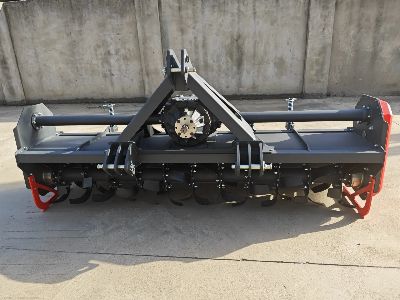
A Rotavator is a machine that farmers use for preparing soil before planting. It break up the ground and mix in nutrients, which make it easier for crops to grow. Knowing how much it cost to own and run a Rotavator is really important for farmers. Thats where lifecycle cost analysis comes in. This method look at all the expenses with a Rotavator, from buying it to keeping it up over time. Farmers can make better choices about their gear this way, saving cash in the long run and getting better yields from fields. At Taigu, we think its good to help farmers get these costs, so they invest smart in their farm work
What is Lifecycle Cost Analysis and Why It Matters for Rotavator Gear
Lifecycle cost analysis (LCA) mean checking all the costs of a Rotavator from beginning to end. This cover the buy price, upkeep expenses, fuel, fixes, and even what it worth when you sell it later. For instance, if a farmer get a Rotavator for $10,000, they have to think about running costs during its life. Spending $1,000 yearly on maintenance, that add another $10,000 over ten years. Fuel add up too. So by knowing these, farmers decide if the Rotavator worth it. It help compare different kinds and pick one that fit budget and needs. Understanding these costs avoid surprises down the road. If not, they might spend more than plan. At Taigu, we want farmers know this stuff. Not just the first cost; its the total over years. With this analysis, farmers plan better and get good value from equipment. They see payback time from more crops or less labor too
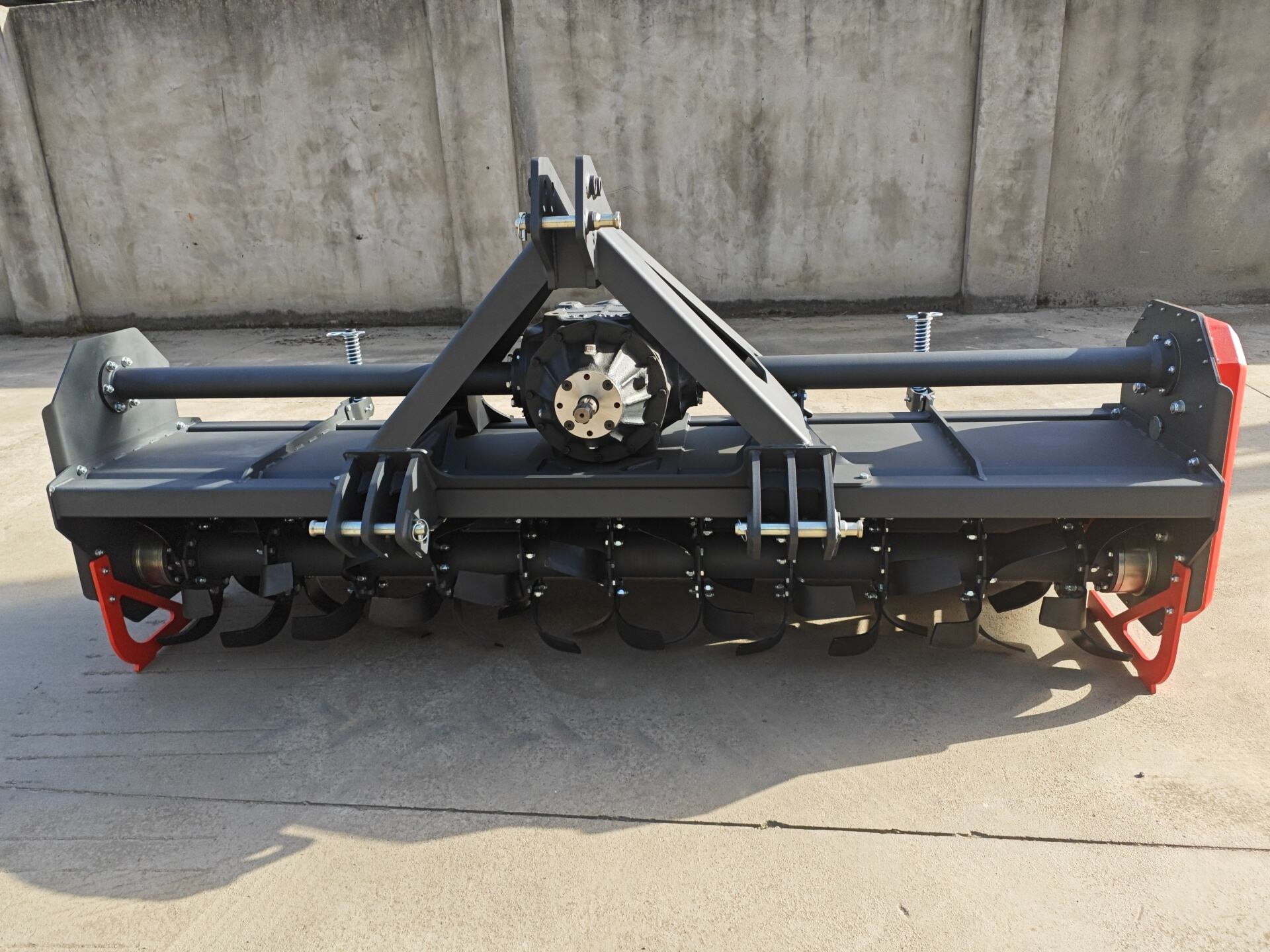
How to Do a Full Lifecycle Cost Analysis for Rotavators
To do lifecycle cost analysis for Rotavator, start by listing all costs possible. Begin with the first buy price, the obvious one. Next, consider running costs. That include fuel, oil, and supplies to keep it going. If it use lots of diesel, fuel expenses pile up fast, specially in busy seasons. Upkeep is big too. Plan for regular checks and repairs. And set budget for surprise fixes is smart. For example, if part break and need replace, saved money help avoid work delays. Also think about the Rotavator lifespan. If use for ten years, spread costs over that to see yearly real cost. Finally, resale value. When no longer need, how much sell for? That offset total expenses
When buying Rotavator gear, getting best deals matter a lot
A Rotavator help prepare land for planting. It turn and mix soil, easier for crop growth. To find great deals, start online. Sites for farm equipment often have sales. You can compare prices from sellers for best one
Another way is local farm stores. They sometimes offer promotions or bulk discounts. Talk to manager, they might tell about coming deals. Check loyalty programs too. That save money later
Its smart look for used Rotavators. Farmers sell old ones when upgrade. Find on online markets or auctions. But inspect careful. Make sure its good shape and last long
When think lifecycle cost of Rotavators, not just buy price. Consider maintain over time. Like repairs, fuel, parts replace. At Taigu, we get these important, and help choose best for farm needs
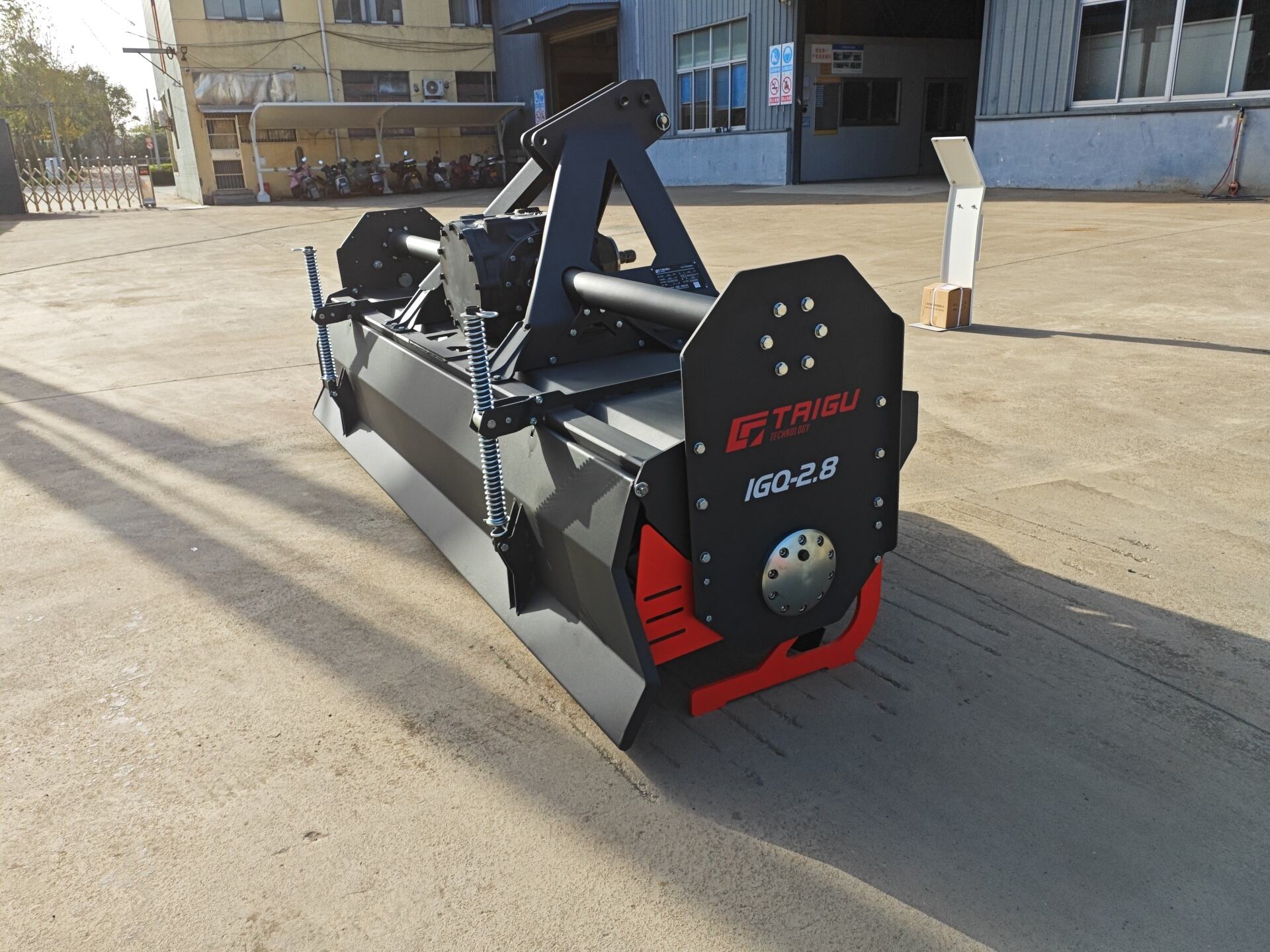
Finding quality Rotavators with good lifecycle costs key for smart buy
Choose durable ones, they last longer and work better. One way ensure quality is read reviews from other farmers. They share experience on which models worth it
At Taigu, we make Rotavators effective and built tough. Use strong materials and special tech for hard tasks. Invest in quality save money now and future
Good gear usually need less upkeep, so less on repairs. In addition, it help work faster, better yields. That mean more profit, smart in long run
With analysis, find most cost-effective Rotavators. Invest wise, get best for needs. Keep track of spend on upkeep and fixes. That help future choices. In end, right Rotavator make farm more success